In the high – stakes world of aerospace engineering, the choice of materials for engine components is a decision that can have far – reaching implications for performance, safety, and reliability. As a supplier of Inconel wire, I am often asked whether this remarkable material can be used in aerospace engine components. In this blog, I will delve into the properties of Inconel wire, explore its potential applications in aerospace engines, and discuss the advantages and challenges associated with its use. Inconel Wire
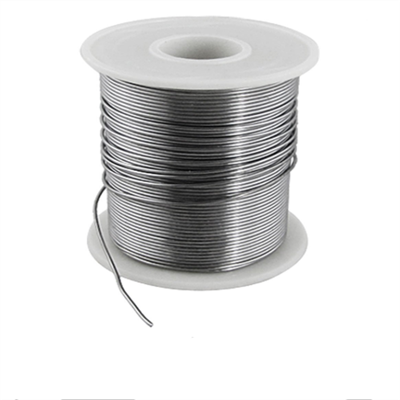
Understanding Inconel Wire
Inconel is a family of nickel – chromium – based superalloys known for their exceptional resistance to high temperatures, corrosion, and oxidation. These alloys are designed to maintain their mechanical properties even under extreme conditions, making them ideal for applications where reliability is paramount. Inconel wire is a form of this alloy that is commonly used in a variety of industries, including aerospace, chemical processing, and power generation.
The composition of Inconel wire can vary depending on the specific grade, but it typically contains a high percentage of nickel, along with chromium, iron, and other elements. The addition of these elements enhances the alloy’s strength, toughness, and resistance to corrosion. For example, Inconel 625, one of the most widely used grades, contains approximately 60% nickel, 22% chromium, and 9% molybdenum. This combination of elements gives Inconel 625 excellent resistance to a wide range of corrosive environments, including seawater, acids, and alkalis.
Properties of Inconel Wire for Aerospace Applications
One of the key properties of Inconel wire that makes it suitable for aerospace engine components is its high – temperature strength. Aerospace engines operate at extremely high temperatures, often exceeding 1000°C. Inconel wire can maintain its strength and structural integrity at these temperatures, ensuring that engine components can withstand the stresses and strains of operation.
In addition to its high – temperature strength, Inconel wire also has excellent corrosion resistance. Aerospace engines are exposed to a variety of corrosive substances, including fuel, lubricants, and combustion by – products. Inconel wire’s resistance to corrosion helps to prevent the degradation of engine components, extending their service life and reducing the risk of failure.
Another important property of Inconel wire is its low thermal expansion coefficient. This means that the wire does not expand or contract significantly with changes in temperature, which is crucial for maintaining the dimensional stability of engine components. In aerospace engines, even small changes in dimensions can have a significant impact on performance and efficiency.
Potential Applications of Inconel Wire in Aerospace Engines
Inconel wire can be used in a variety of aerospace engine components, including turbine blades, combustion chambers, and exhaust systems.
Turbine Blades
Turbine blades are one of the most critical components of an aerospace engine. They are responsible for converting the energy of the hot gases produced by combustion into mechanical energy, which drives the compressor and the fan. Turbine blades operate at extremely high temperatures and speeds, and they are subjected to high stresses and strains. Inconel wire can be used to manufacture turbine blades due to its high – temperature strength, corrosion resistance, and low thermal expansion coefficient.
Combustion Chambers
Combustion chambers are where the fuel is burned to produce the hot gases that drive the turbine. They are exposed to high temperatures, pressures, and corrosive substances. Inconel wire can be used to line the combustion chambers, providing a protective barrier against corrosion and heat. This helps to extend the service life of the combustion chambers and improve the efficiency of the engine.
Exhaust Systems
Exhaust systems are responsible for removing the hot gases from the engine. They are exposed to high temperatures and corrosive substances, and they need to be able to withstand the stresses and strains of operation. Inconel wire can be used to manufacture exhaust pipes and other components of the exhaust system, providing excellent resistance to corrosion and high – temperature oxidation.
Advantages of Using Inconel Wire in Aerospace Engine Components
There are several advantages to using Inconel wire in aerospace engine components.
Improved Performance
Inconel wire’s high – temperature strength and low thermal expansion coefficient allow engine components to operate at higher temperatures and speeds, improving the performance and efficiency of the engine. This can lead to increased thrust, better fuel economy, and reduced emissions.
Enhanced Reliability
Inconel wire’s corrosion resistance and high – temperature stability help to prevent the degradation of engine components, reducing the risk of failure and improving the reliability of the engine. This is particularly important in aerospace applications, where safety is of the utmost importance.
Longer Service Life
Inconel wire’s resistance to corrosion and high – temperature oxidation extends the service life of engine components, reducing the need for frequent maintenance and replacement. This can result in significant cost savings over the life of the engine.
Challenges Associated with Using Inconel Wire in Aerospace Engine Components
While Inconel wire offers many advantages for aerospace engine components, there are also some challenges associated with its use.
High Cost
Inconel wire is a relatively expensive material compared to other metals. The high cost of Inconel wire can make it difficult for some aerospace manufacturers to justify its use, especially in applications where cost is a major factor.
Difficult Machining
Inconel wire is a difficult material to machine due to its high strength and hardness. Specialized machining techniques and tools are required to work with Inconel wire, which can increase the cost and complexity of manufacturing engine components.
Welding Difficulties
Welding Inconel wire can be challenging due to its high nickel content and the formation of brittle intermetallic compounds during the welding process. Specialized welding techniques and procedures are required to ensure the quality and integrity of the welds.
Conclusion

In conclusion, Inconel wire can be used in aerospace engine components due to its excellent high – temperature strength, corrosion resistance, and low thermal expansion coefficient. It offers several advantages, including improved performance, enhanced reliability, and longer service life. However, there are also some challenges associated with its use, such as high cost, difficult machining, and welding difficulties.
Stainless Steel Coil As a supplier of Inconel wire, I am committed to providing high – quality products and technical support to our customers in the aerospace industry. If you are considering using Inconel wire in your aerospace engine components, I encourage you to contact me to discuss your specific requirements. We can work together to find the best solution for your application, taking into account factors such as cost, performance, and manufacturing feasibility.
References
- ASM Handbook Volume 2: Properties and Selection: Nonferrous Alloys and Special – Purpose Materials
- Metals Handbook Desk Edition, Third Edition
- "Aerospace Materials and Processes Handbook", Society of Automotive Engineers (SAE)
Jiangsu Cunrui Metal Products Co., Ltd.
As one of the most experienced inconel wire manufacturers in China, we also support customized service. Please rest assured to buy cheap inconel wire for sale here from our factory. If you have any enquiry about pricelist and free sample, please feel free to email us.
Address: 32-117,119, Nanfang Stalnless Steel Trading Conter, Wuxi,Jiangsu, China
E-mail: karen@cunruimetal.com
WebSite: https://www.cunruimetals.com/
