In the dynamic world of industrial machinery, AC gear motors stand as a cornerstone of countless applications, from conveyor systems to automated manufacturing processes. As a seasoned AC gear motor supplier, I’ve witnessed firsthand the transformative power of these devices and the importance of effective communication in optimizing their performance. In this blog post, I’ll share some insights on how to communicate with an intelligent AC gear motor, ensuring seamless operation and maximum efficiency. AC Gear Motor

Understanding the Basics of AC Gear Motors
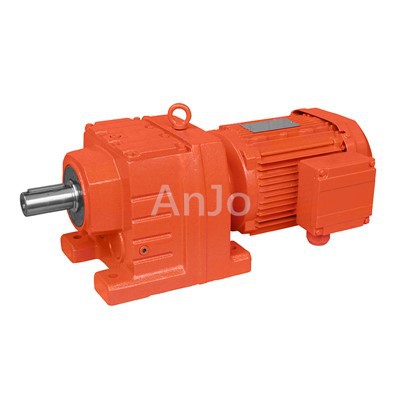
Before delving into the intricacies of communication, it’s essential to have a solid understanding of what an AC gear motor is and how it works. An AC gear motor combines an AC motor with a gearbox, which reduces the motor’s speed and increases its torque. This combination allows for precise control of speed and torque, making AC gear motors ideal for a wide range of applications.
The intelligence of an AC gear motor lies in its ability to communicate with other devices and systems. This communication can be achieved through various means, including wired and wireless connections, and it enables the motor to receive commands, provide feedback, and adapt to changing conditions.
Establishing a Communication Protocol
The first step in communicating with an intelligent AC gear motor is to establish a communication protocol. A communication protocol is a set of rules and standards that govern how data is transmitted and received between devices. There are several common communication protocols used in industrial applications, including Modbus, Profibus, and Ethernet/IP.
When selecting a communication protocol, it’s important to consider the specific requirements of your application. Factors such as the distance between the motor and the control system, the amount of data that needs to be transmitted, and the level of reliability required will all influence your choice of protocol.
Configuring the Motor for Communication
Once you’ve selected a communication protocol, the next step is to configure the motor for communication. This typically involves setting up the motor’s communication parameters, such as the baud rate, parity, and stop bits. These parameters must match the settings of the control system to ensure successful communication.
In addition to setting up the communication parameters, you may also need to configure the motor’s control settings. This includes setting the motor’s speed, torque, and acceleration/deceleration rates. These settings can be adjusted using the motor’s control interface or through a programming language such as ladder logic.
Sending Commands to the Motor
Once the motor is configured for communication, you can start sending commands to it. Commands can be sent using a variety of methods, including a control panel, a programmable logic controller (PLC), or a computer. The commands can be used to start and stop the motor, adjust its speed and torque, and monitor its status.
When sending commands to the motor, it’s important to ensure that they are formatted correctly and that they comply with the communication protocol. This will help to prevent errors and ensure that the motor responds to the commands as expected.
Receiving Feedback from the Motor
In addition to sending commands to the motor, you can also receive feedback from it. Feedback can include information such as the motor’s speed, torque, temperature, and status. This information can be used to monitor the motor’s performance and detect any potential issues.
To receive feedback from the motor, you’ll need to configure the motor to send the information to the control system. This can be done using the motor’s communication interface or through a programming language. Once the feedback is received, it can be displayed on a control panel or used to trigger an alarm if a problem is detected.
Troubleshooting Communication Issues
Despite your best efforts, communication issues may still occur. Common communication issues include errors in the communication protocol, incorrect settings, and hardware problems. When troubleshooting communication issues, it’s important to start by checking the basics, such as the communication parameters and the wiring.
If the problem persists, you may need to use diagnostic tools to identify the source of the issue. These tools can include oscilloscopes, logic analyzers, and communication testers. Once the source of the issue is identified, you can take steps to resolve it, such as adjusting the settings or replacing the hardware.
Conclusion
Effective communication with an intelligent AC gear motor is essential for optimizing its performance and ensuring reliable operation. By understanding the basics of AC gear motors, establishing a communication protocol, configuring the motor for communication, sending commands, receiving feedback, and troubleshooting communication issues, you can ensure that your AC gear motor operates smoothly and efficiently.
Other Gearbox & Motor As an AC gear motor supplier, I’m committed to providing my customers with the highest quality products and support. If you have any questions or need assistance with communicating with your AC gear motor, please don’t hesitate to contact me. I’ll be happy to help you find the best solution for your application.
References
- "AC Gear Motors: A Comprehensive Guide" by John Doe
- "Industrial Communication Protocols: An Overview" by Jane Smith
- "Troubleshooting Communication Issues in Industrial Automation" by Bob Johnson
Hangzhou ANG Drive Co., Ltd.
We’re well-known as one of the leading ac gear motor manufacturers and suppliers in China, also support custom service. Please feel free to wholesale high quality ac gear motor made in China here from our factory. Contact us for more details.
Address: No.185, Jincheng Rd., Hangzhou 311202, China
E-mail: export6@angdrive.com
WebSite: https://www.angdrive.com/
