Can a pad printing machine print on stainless steel? Pad Printing Machine
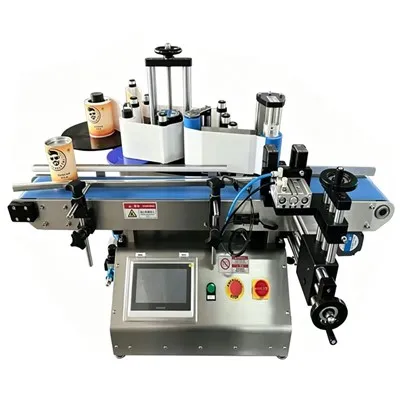
Hey there! I’m a supplier of pad printing machines, and I get this question a lot: Can a pad printing machine print on stainless steel? Well, let’s dive right into it.
First off, for those who might not know, pad printing is a printing process that transfers a 2D image onto a 3D object. It’s super versatile and can be used on a wide range of materials. But stainless steel, with its smooth and sometimes a bit tricky surface, is a bit of a special case.
The short answer is yes, a pad printing machine can definitely print on stainless steel. However, there are a few things we need to consider to make sure the print results are top – notch.
Let’s start with the surface preparation. Stainless steel has a very smooth surface. This can be a problem because prints might not adhere well if the surface isn’t properly treated. We usually recommend cleaning the stainless – steel surface thoroughly before printing. Any grease, oil, or dirt can prevent the ink from sticking. You can use a mild solvent or a specialized cleaning agent. After cleaning, it’s important to dry the surface completely. Sometimes, we also use a process called surface activation. This can involve using a primer or an adhesion promoter. These products help the ink bond better with the stainless – steel surface. It’s like giving the ink a little something to hold on to.
Now, let’s talk about the ink. Not all inks are created equal, and when it comes to printing on stainless steel, you need the right kind. There are inks specifically formulated for metal surfaces. These inks are designed to be durable, resist scratching and fading, and have good adhesion. They often contain special additives that help them stick to the stainless – steel surface. For example, some inks have high levels of binders that form a strong bond with the metal.
Another factor to consider is the pad. The pad in a pad – printing machine is what picks up the ink from the cliche and transfers it to the object. For stainless steel, you need a pad with the right hardness and shape. A harder pad is often better because it can better transfer the ink onto the smooth surface. The shape of the pad also matters. Depending on the design and the area you’re printing on, you might need a flat pad, a round pad, or a custom – shaped pad. The pad should be able to pick up the ink evenly and transfer it without smudging or leaving gaps in the print.
The printing process itself also requires some adjustments when printing on stainless steel. The pressure applied during printing needs to be just right. If the pressure is too low, the ink might not transfer properly. If it’s too high, it could damage the pad or the object. You also need to control the speed of the printing process. A slower speed can sometimes result in a better transfer of the ink, especially for detailed designs.
One of the great things about using a pad printing machine on stainless steel is the level of detail you can achieve. Whether it’s a simple logo, a serial number, or a complex pattern, pad printing can handle it. It’s also a relatively fast process, which is great for mass production. You can set up the machine to print multiple designs on multiple stainless – steel objects in a short amount of time.
Let’s look at some real – world applications. In the electronics industry, pad printing is used to print logos and labels on stainless – steel parts of electronic devices. It’s also used in the automotive industry to mark stainless – steel components. In the jewelry industry, pad printing can be used to add designs or inscriptions on stainless – steel jewelry pieces.
However, like any printing process, there are some challenges. One of the main challenges is the durability of the print over time. Even with the right inks and surface preparation, the print can still wear off if the stainless – steel object is exposed to harsh conditions, such as high temperatures, chemicals, or abrasion. To address this, you can apply a clear coat or a protective layer over the print. This helps to extend the life of the print and keep it looking good for longer.
Another challenge is the cost. The specialized inks, surface preparation products, and sometimes custom – made pads can add to the overall cost of the printing process. But if you’re producing high – quality products where the print is an important part of the overall look and functionality, the investment is often worth it.
So, to sum it up, a pad printing machine can print on stainless steel, but there are some technical aspects to consider. With the right surface preparation, the right ink, the right pad, and the right printing process settings, you can achieve high – quality prints on stainless – steel objects.

If you’re in the market for a pad printing machine that can handle stainless – steel printing or if you have any questions about the process, I’d love to help. Whether you’re a small – scale manufacturer looking to add some custom prints to your products or a large – scale operation in need of a high – volume solution, we’ve got the expertise and the machines to meet your needs. Reach out to me, and let’s have a chat about how we can make your printing project a success.
Pad Printing Machine References:
- "Pad Printing Technology Handbook", various industry experts
- Technical bulletins from ink manufacturers for metal – printing applications
- Case studies from different industries using pad printing on stainless steel
Henan Seveneh Trading Co., Ltd.
As one of the most professional pad printing machine manufacturers and suppliers in China, we’re featured by quality products and good price. Please rest assured to buy advanced pad printing machine made in China here from our factory. We also accept customized orders.
Address: No.102 Wenhui Road, Economic Development Zone, Zhumadian City, Henan Province, China
E-mail: hnseveneh@gmail.com
WebSite: https://www.seveneh.com/
