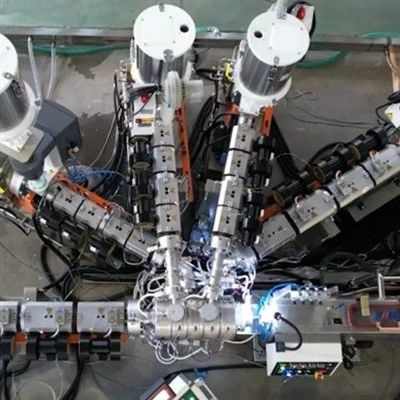
Auxiliary equipment plays a pivotal role in various industries, facilitating the smooth operation of primary machinery and enhancing overall productivity. As a seasoned supplier of auxiliary equipment, I understand the significance of proper maintenance to ensure the longevity, efficiency, and reliability of these crucial components. In this blog, I will delve into the essential maintenance requirements for auxiliary equipment, sharing insights and best practices based on my years of experience in the industry. Auxiliary Equipment
Regular Inspections
Regular inspections are the cornerstone of effective maintenance for auxiliary equipment. Scheduled inspections allow you to identify potential issues early on, preventing costly breakdowns and minimizing downtime. Depending on the type of equipment and its usage, inspections can be conducted daily, weekly, monthly, or quarterly.
Visual Inspections
Visual inspections are the first line of defense in detecting any visible signs of wear, damage, or malfunction. During a visual inspection, carefully examine the equipment for any cracks, leaks, loose connections, or abnormal wear patterns. Pay close attention to components such as belts, hoses, filters, and electrical wiring. Look for signs of corrosion, fraying, or excessive wear, as these can indicate underlying problems that need to be addressed promptly.
Functional Tests
In addition to visual inspections, functional tests are essential to ensure that the auxiliary equipment is operating as intended. Conduct periodic tests to verify the performance of critical functions, such as motor operation, pump pressure, temperature control, and safety features. Compare the test results with the manufacturer’s specifications to identify any deviations or inconsistencies. If any issues are detected, conduct further troubleshooting to determine the root cause and implement the necessary repairs or adjustments.
Lubrication and Fluid Management
Proper lubrication and fluid management are vital for the smooth operation and longevity of auxiliary equipment. Lubricants reduce friction, wear, and heat generation, extending the lifespan of moving parts and preventing premature failure. Similarly, maintaining the correct fluid levels and quality in hydraulic systems, cooling systems, and other fluid-based components is essential for optimal performance.
Lubrication Schedule
Establish a lubrication schedule based on the manufacturer’s recommendations and the operating conditions of the equipment. Different types of equipment may require different lubricants and lubrication intervals, so it is important to follow the guidelines provided by the manufacturer. Use high-quality lubricants that are specifically formulated for the application to ensure maximum effectiveness and protection.
Fluid Analysis
Regular fluid analysis is an effective way to monitor the condition of lubricants, hydraulic fluids, and other operating fluids in auxiliary equipment. Fluid analysis can detect the presence of contaminants, wear particles, and other indicators of potential problems before they cause significant damage. By analyzing the fluid samples at regular intervals, you can identify trends and take proactive measures to prevent equipment failure.
Cleaning and Filter Maintenance
Cleanliness is crucial for the proper operation of auxiliary equipment. Dust, dirt, debris, and other contaminants can accumulate on the equipment surfaces, components, and filters, leading to reduced efficiency, increased wear, and potential breakdowns. Regular cleaning and filter maintenance help to prevent these issues and ensure that the equipment operates at its peak performance.
Cleaning Procedures
Develop a cleaning schedule and procedures for each type of auxiliary equipment. Use appropriate cleaning agents and tools to remove dirt, grease, and other contaminants from the equipment surfaces. Pay special attention to areas that are prone to accumulation, such as air intake vents, cooling fins, and filter housings. Avoid using abrasive materials or harsh chemicals that could damage the equipment.
Filter Replacement
Filters play a critical role in protecting auxiliary equipment from contaminants. Air filters, oil filters, fuel filters, and hydraulic filters should be replaced at regular intervals according to the manufacturer’s recommendations. Clogged or dirty filters can restrict the flow of air, oil, or fluid, leading to reduced performance and increased energy consumption. Regular filter replacement helps to maintain optimal equipment performance and prevent damage to critical components.
Electrical System Maintenance
The electrical system is an integral part of auxiliary equipment, providing power and control signals to various components. Proper maintenance of the electrical system is essential to ensure safe and reliable operation.
Electrical Inspections
Conduct regular inspections of the electrical system to check for loose connections, damaged wiring, overheating components, and other potential hazards. Inspect electrical panels, switches, relays, and circuit breakers for signs of wear, corrosion, or damage. Use a multimeter or other appropriate testing equipment to measure voltage, current, and resistance to ensure that the electrical system is functioning properly.
Grounding and Bonding
Proper grounding and bonding are essential for electrical safety. Ensure that all electrical equipment is properly grounded to prevent electrical shock and damage to the equipment. Check the grounding connections regularly to ensure that they are tight and secure. In addition, bonding should be used to connect all metal parts of the equipment to prevent static electricity buildup and potential electrical arcing.
Calibration and Alignment
Many auxiliary equipment components, such as sensors, gauges, valves, and actuators, require regular calibration and alignment to ensure accurate operation. Calibration is the process of adjusting the equipment to meet the manufacturer’s specifications, while alignment involves ensuring that the components are properly positioned and oriented.
Calibration Schedule
Establish a calibration schedule based on the manufacturer’s recommendations and the criticality of the equipment. Some components may require calibration on a monthly or quarterly basis, while others may only need to be calibrated annually. Use calibrated test equipment to perform the calibration process and ensure that the results are within the acceptable tolerance range.
Alignment Checks
Regular alignment checks are important for equipment that involves moving parts or rotating components. Misalignment can cause excessive wear, vibration, and noise, leading to premature failure of the equipment. Use alignment tools and techniques to ensure that the components are properly aligned according to the manufacturer’s specifications.
Training and Documentation
Proper training of equipment operators and maintenance personnel is essential for effective maintenance of auxiliary equipment. Operators should be trained on the proper use and operation of the equipment, as well as the basic maintenance procedures. Maintenance personnel should receive comprehensive training on the equipment’s maintenance requirements, troubleshooting techniques, and repair procedures.
Training Programs
Develop training programs that are tailored to the specific needs of your organization and the type of auxiliary equipment you use. The training programs should include both theoretical and practical components to ensure that the trainees have a thorough understanding of the equipment and its maintenance requirements. Provide regular refresher training to keep the operators and maintenance personnel up-to-date with the latest technologies and best practices.
Documentation
Maintain detailed documentation of all maintenance activities, including inspection reports, maintenance schedules, calibration records, and repair history. Documentation provides a valuable reference for future maintenance and troubleshooting, as well as for compliance with regulatory requirements. Use a computerized maintenance management system (CMMS) to track and manage the maintenance documentation effectively.
Conclusion

Proper maintenance of auxiliary equipment is essential for ensuring its long-term performance, reliability, and safety. By implementing a comprehensive maintenance program that includes regular inspections, lubrication, cleaning, electrical system maintenance, calibration, and training, you can minimize downtime, reduce maintenance costs, and extend the lifespan of your equipment.
Pelletizing Line As a trusted supplier of auxiliary equipment, we are committed to providing our customers with high-quality products and comprehensive support services. If you have any questions about the maintenance requirements for your auxiliary equipment or need assistance with maintenance or repair, please do not hesitate to contact us. Our team of experienced professionals is ready to help you optimize the performance of your equipment and achieve your business goals.
References
- Manufacturer’s equipment manuals and maintenance guides.
- Industry standards and best practices for equipment maintenance.
- Technical literature and research papers on auxiliary equipment maintenance.
Zhejiang Jwell Pipe Equipment Co., Ltd.
As one of the most professional auxiliary equipment manufacturers and suppliers in China, we’re featured by quality products and good price. Please rest assured to buy cheap auxiliary equipment in stock here from our factory. Customized orders are welcome.
Address: No.128 Qingfeng Road, Xieqiao Town, Haining City, Jiaxing City, Zhejiang Province
E-mail: salaa@jwell.cn
WebSite: https://www.jwell-pipe.com/
