In the world of mechanical engineering and complex assemblies, coupling nuts play a crucial role. As a supplier of coupling nuts, I have witnessed firsthand how these seemingly simple components can make a significant difference in the functionality and durability of various systems. In this blog post, I will share my insights on how to use a coupling nut effectively in a complex assembly. Coupling Nut

Understanding Coupling Nuts
Before delving into their application in complex assemblies, let’s first understand what coupling nuts are. A coupling nut is a threaded fastener that is used to connect two male threads together. It is typically a cylindrical or hexagonal-shaped nut with internal threads on both ends. Coupling nuts come in various sizes, materials, and thread types to accommodate different applications.
The most common materials for coupling nuts include steel, stainless steel, brass, and aluminum. Steel coupling nuts are strong and durable, making them suitable for heavy-duty applications. Stainless steel coupling nuts offer excellent corrosion resistance, making them ideal for use in harsh environments. Brass coupling nuts are known for their good electrical conductivity and resistance to corrosion, while aluminum coupling nuts are lightweight and often used in applications where weight is a concern.
Selecting the Right Coupling Nut
The first step in using a coupling nut in a complex assembly is selecting the right one for the job. Here are some factors to consider when making your selection:
Thread Compatibility
The most important factor is ensuring that the thread size and type of the coupling nut match the male threads it will be connecting. Thread sizes are typically specified in diameters and pitches. For example, a common thread size might be M8 x 1.25, where M8 indicates the metric diameter and 1.25 is the pitch. Make sure to double – check the thread specifications of the components you are connecting to avoid any compatibility issues.
Material
As mentioned earlier, different materials offer different properties. Consider the environment in which the assembly will operate. If the assembly will be exposed to moisture, chemicals, or high temperatures, choose a material that can withstand these conditions. For example, stainless steel is a great choice for outdoor or marine applications, while brass might be more suitable for electrical or low – corrosion environments.
Length
The length of the coupling nut is also important. It should be long enough to provide a sufficient engagement with the male threads. A general rule of thumb is that the engagement length should be at least equal to the diameter of the thread. If the nut is too short, it may not provide enough strength and stability, while an overly long nut can add unnecessary weight and bulk to the assembly.
Preparing the Assembly
Once you have selected the appropriate coupling nut, it’s time to prepare the assembly. Here are the steps involved:
Clean the Threads
Before installing the coupling nut, it is essential to clean the male threads of the components to be connected. Any dirt, debris, or rust on the threads can prevent a proper fit and may even cause damage to the threads. Use a wire brush or a thread cleaning tool to remove any contaminants from the threads.
Apply Lubrication (Optional)
In some cases, applying a small amount of lubricant to the threads can make the installation process easier and prevent galling. Galling is a form of wear that occurs when two metal surfaces rub against each other under high pressure, causing the metal to transfer and seize. A lubricant, such as anti – seize compound or a light machine oil, can reduce friction and prevent galling. However, be careful not to use too much lubricant, as it can attract dirt and debris.
Installing the Coupling Nut
Now that the components are prepared, it’s time to install the coupling nut. Here is a step – by – step guide:
Align the Threads
Carefully align the male threads of the two components. Make sure they are parallel and facing each other correctly. Insert one end of the coupling nut onto one of the male threads and start turning it clockwise by hand. This initial hand – tightening helps to ensure that the threads are properly engaged and prevents cross – threading.
Tighten the Nut
Once the coupling nut is hand – tightened, use a suitable wrench to further tighten it. The amount of torque required depends on the size and type of the coupling nut, as well as the application. Refer to the manufacturer’s specifications for the recommended torque values. Over – tightening can damage the threads or cause the components to deform, while under – tightening can result in a loose connection that may vibrate or come apart over time.
Check the Alignment
After tightening the coupling nut, check the alignment of the two components again. Make sure they are still parallel and that the assembly is straight. If necessary, make minor adjustments by gently turning the coupling nut or the components.
Using Coupling Nuts in Complex Assemblies
In complex assemblies, coupling nuts can be used in a variety of ways. For example:
Connecting Rods and Shafts
Coupling nuts are commonly used to connect rods and shafts in machinery. They provide a secure and adjustable connection that allows for easy assembly and disassembly. In a robotic arm, coupling nuts can be used to connect the different segments of the arm, allowing for precise movement and flexibility.
Electrical Connections
In electrical assemblies, coupling nuts can be used to connect electrical conductors or terminals. Brass coupling nuts are often used in these applications due to their good electrical conductivity. They can help to ensure a reliable electrical connection and provide mechanical support at the same time.
Plumbing Systems
In plumbing systems, coupling nuts are used to connect pipes and fittings. Stainless steel or brass coupling nuts are commonly used in these applications to prevent corrosion and leakage. They can be found in both residential and commercial plumbing systems, connecting everything from water pipes to gas lines.
Maintenance and Inspection
Once the coupling nut is installed in a complex assembly, regular maintenance and inspection are essential to ensure its continued performance. Here are some tips:
Visual Inspection
Periodically inspect the coupling nut for any signs of wear, damage, or corrosion. Look for cracks, stripped threads, or any other visible defects. If any issues are detected, replace the coupling nut immediately to prevent further damage to the assembly.
Torque Check
Over time, the coupling nut may loosen due to vibration or other factors. Use a torque wrench to check the tightness of the nut and re – tighten it if necessary. Make sure to follow the recommended torque values to avoid over – or under – tightening.
Lubrication (if applicable)
If lubrication was applied during installation, check the condition of the lubricant periodically. If it has dried out or become contaminated, re – apply a small amount of lubricant to the threads to ensure smooth operation.
Conclusion
Coupling nuts are versatile and essential components in complex assemblies. By selecting the right coupling nut, preparing the assembly properly, and following the correct installation and maintenance procedures, you can ensure a secure and reliable connection. As a coupling nut supplier, I am committed to providing high – quality products and expert advice to help you with your assembly needs.
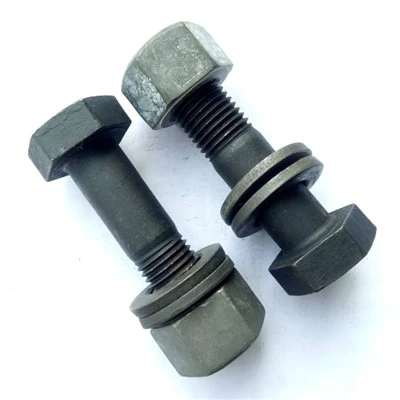
Specialty Bolts If you are in the market for coupling nuts or have any questions about their use in your specific application, I encourage you to get in touch with me. Our team of experts is ready to assist you in finding the right solution for your project. Whether you need a small quantity for a prototype or a large order for mass production, we can meet your requirements. Start a conversation with us today to explore the possibilities and make your assembly a success.
References
- Machinery’s Handbook (30th Edition)
- ASME B1.1 – Unified Inch Screw Threads
- ISO 965 – Metric Screw Threads General Planes of External and Internal Threads
Handan Dongchao Hardware Products Co., Ltd.
As one of the most professional coupling nut manufacturers and suppliers in China, we have world-leading production equipment and strong manufacturing capabilities. Please feel free to wholesale bulk high quality coupling nut in stock here and get pricelist from our factory. Customized orders are welcome.
Address: West of Xiaobeizhuang Village, South of Beizhangzhuang Village, Hanshan District, Handan City
E-mail: david@dcscrews.com
WebSite: https://www.dc-screws.com/
