Hey there! I’m with a Probiotics for Food supplier, and I’ve been in this game for a while. You know, probiotics have been all the rage lately, popping up in all sorts of foods. But how do they actually work in food? That’s what I’m gonna dive into today. Probiotics for Food
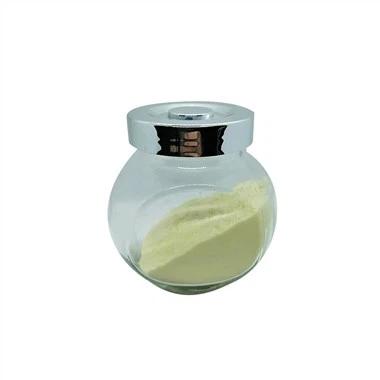
First off, let’s talk about what probiotics are. Probiotics are live microorganisms, usually bacteria, but sometimes yeasts too, that are good for your health. In food, they’re like little health warriors, doing their jobs to make the food better and you healthier.
One of the main ways probiotics work in food is through fermentation. Fermentation is an age – old process that’s been used for thousands of years to preserve food and enhance its flavor. When probiotics are added to food, they start to break down the sugars and other carbohydrates in it. For example, in yogurt, the lactic acid bacteria (a common type of probiotic) break down lactose, the sugar in milk. This breakdown process produces lactic acid, which not only gives yogurt its tangy flavor but also thickens it. The acid also creates an environment where harmful bacteria can’t grow easily. So, in a way, the probiotics are acting as a natural preservative.
In fermented vegetables like sauerkraut or kimchi, the same principle applies. The probiotics in these fermentations convert the sugars in the vegetables into lactic acid, acetic acid, and other compounds. These acids not only give the veggies their characteristic sour taste but also make them last longer in the fridge without spoiling.
Another cool thing about probiotics in food is their ability to influence the texture. In the production of cheese, for instance, certain probiotic cultures can affect how the cheese sets and ripens. Some strains can help the cheese develop a smoother texture, while others might contribute to a more crumbly or elastic consistency. This is because the probiotics interact with the proteins and fats in the milk during the cheese – making process.
Now, let’s talk about the health benefits that probiotics bring to the table. When you consume food with probiotics, these microorganisms make their way to your gut. Once there, they help to balance the gut microbiome. Think of your gut as a bustling city, and the bacteria in it are the residents. Sometimes, bad bacteria can move in and cause trouble, like digestive issues or infections. Probiotics act like the good neighbors that keep the bad ones in check.
They do this by competing for space and nutrients with the harmful bacteria. Probiotics stick to the lining of your gut, creating a physical barrier that prevents the bad guys from attaching. Plus, they produce antibacterial substances that can kill or inhibit the growth of harmful bacteria.
Probiotics also play a role in improving digestion. They can break down complex carbohydrates that your body has a hard time digesting on its own. For example, some probiotics can break down fibers into short – chain fatty acids, which are easily absorbed by your body and can provide energy. This not only helps with digestion but can also prevent constipation and other digestive discomforts.
In addition to digestive health, probiotics in food might also have a positive impact on your immune system. Your gut is closely linked to your immune function, and a healthy gut microbiome can strengthen your immune response. Probiotics can stimulate the production of immune cells and antibodies, helping your body fight off infections and diseases more effectively.
When it comes to food production, using probiotics also has some environmental benefits. Since probiotics can act as natural preservatives, it reduces the need for artificial additives and chemicals in food. This is great for consumers who are looking for more natural and healthy food options. And for the food industry, it can lead to cost savings in the long run by reducing the use of expensive preservatives.
However, there are some challenges in using probiotics in food. One of the biggest issues is keeping the probiotics alive. These microorganisms are living things, and they need the right conditions to survive. Temperature, pH, and storage time can all affect their viability. For example, high temperatures can kill the probiotics, so products containing them usually need to be stored in the fridge. And if the food has a very acidic or alkaline pH, it might also be harmful to the probiotics.
Another challenge is ensuring that the right amount of probiotics is added to the food. Too few, and they won’t have a significant effect. Too many, and it might affect the taste and texture of the food in an undesirable way. Food producers need to find the sweet spot to get the best results.
So, if you’re a food producer, you’re probably wondering how my company can help. We’ve got a wide range of probiotic strains that are specifically formulated for different types of food. Whether you’re making yogurt, cheese, fermented vegetables, or even functional beverages, we’ve got the right probiotics for you.
Our team of experts can work with you to determine the best probiotic strains for your products, based on your desired taste, texture, and health benefits. We’ll also provide you with technical support on storage, handling, and shelf – life extension of the probiotics.
We understand the challenges you face in the food industry, and we’re here to make it easier for you. By using our probiotics, you can create high – quality, natural, and health – promoting food products that will stand out in the market.
If you’re interested in learning more about our probiotics for food or want to discuss potential partnerships, just reach out to us. We’re always excited to talk to food producers who are passionate about making healthy and delicious food.
In conclusion, probiotics work in food in multiple ways. They enhance flavor, improve texture, act as natural preservatives, and bring a host of health benefits. While there are challenges in using them, with the right support and high – quality probiotic strains, you can create amazing food products that consumers will love.

So, don’t hesitate to get in touch. Let’s work together to make the food industry a healthier and more delicious place!
Probiotics for Food References:
- "The Microbiome Diet" by Raphael Kellman, M.D.
- "You Are What You Eat" by Gillian McKeith
- Research papers on probiotics in food science journals
Probioway Co., Ltd.
Probioway Co., Ltd. is one of the most professional probiotics for food manufacturers and suppliers in China, specialized in providing high quality products and service. We warmly welcome you to wholesale bulk custom made probiotics for food at competitive price from our factory.
Address: Buidling B-10D, Pudong Avenue 1089, Shanghai, China 200135
E-mail: tonyt@probioway.com
WebSite: https://www.probioway.com/
