Hey there! I’m a supplier of white polyaluminium chloride (WPAC), and I often get asked if this stuff can be used to treat mining wastewater. Well, let’s dive right in and explore this topic together. White Polyaluminium Chloride
First off, what exactly is mining wastewater? Mining is a big industry, and it generates a ton of wastewater during its operations. This wastewater is no joke – it contains all sorts of nasty stuff like heavy metals (think lead, mercury, cadmium), suspended solids, and acidic substances. If not treated properly, it can cause some serious environmental damage, polluting nearby soil, water sources, and even harming wildlife.
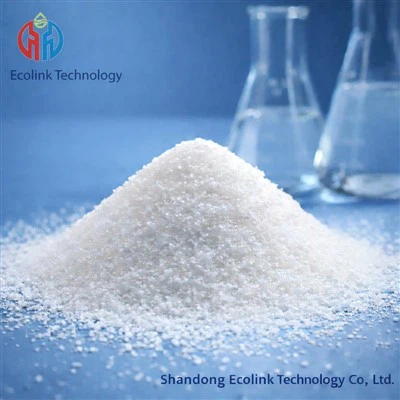
So, where does white polyaluminium chloride come into the picture? WPAC is a high – quality coagulant. It’s made through a special process, which gives it a high degree of purity. Unlike some other coagulants, it has a low basicity and high solubility. This means it can quickly dissolve in water and start doing its job.
When it comes to treating mining wastewater, one of the main problems is getting rid of those suspended solids. These solids make the water cloudy and can carry a lot of the contaminants. WPAC works like a charm here. When you add WPAC to the mining wastewater, it forms positively charged ions. These ions neutralize the negative charges on the suspended particles. Once the charges are neutralized, the particles start to clump together, forming larger flocs. These flocs are then much easier to separate from the water, either by sedimentation or filtration.
Let’s talk about heavy metals. Heavy metals are a major concern in mining wastewater because they’re toxic and can bioaccumulate in the environment. WPAC can help with this too. It can react with some heavy metals to form insoluble complexes. These complexes then settle out of the water along with the flocs. For example, it can react with lead ions to form lead – containing precipitates. This reduces the concentration of heavy metals in the water, making it safer to discharge or reuse.
Another issue with mining wastewater is its acidity. Many mining operations produce acidic wastewater, which can have a low pH level. WPAC has a certain buffering capacity. When added to acidic wastewater, it can help raise the pH level towards a more neutral range. This is important because a lot of the treatment processes work better at a more neutral pH.
Now, I know what you’re thinking – does WPAC actually work in real – world mining wastewater treatment? Well, there have been a number of studies and practical applications that show it does. In some small – scale gold mining operations, for example, WPAC has been used to treat the wastewater generated during the ore – processing stage. After treatment, the water was significantly clearer, and the levels of suspended solids and heavy metals were reduced to acceptable levels.
But it’s not all sunshine and rainbows. There are some challenges when using WPAC in mining wastewater treatment. One of the main challenges is the cost. WPAC is more expensive than some other coagulants. However, it’s also more effective and has a higher purity. So, in the long run, it might actually save you money because you can get better treatment results with less product.
Another challenge is that the composition of mining wastewater can vary a lot depending on the type of mining and the location. So, you might need to do some testing to figure out the right dosage of WPAC to use. Sometimes, you might even need to use WPAC in combination with other treatment chemicals to get the best results.
I’ve also seen some people worry about the potential impact of WPAC on the environment. But here’s the thing – WPAC is a relatively safe and environmentally friendly coagulant. It breaks down over time and doesn’t leave behind any harmful residues in most cases.
In conclusion, white polyaluminium chloride can definitely be used in the treatment of mining wastewater. It’s effective at removing suspended solids, reducing heavy metal concentrations, and adjusting the pH level. While there are some challenges, the benefits far outweigh the drawbacks.
If you’re involved in the mining industry and are looking for a reliable solution for wastewater treatment, I highly recommend giving white polyaluminium chloride a try. It could be the key to making your mining operations more environmentally friendly and compliant with regulations.
If you’re interested in learning more about our white polyaluminium chloride products or want to discuss a potential purchase, don’t hesitate to reach out. We’re more than happy to answer any questions you may have and help you find the right solution for your specific needs.
Anionic Polyacrylamide References:
- Smith, J. (2020). Coagulant applications in mining wastewater treatment. Journal of Mining Environmental Management, 15(2), 45 – 56.
- Davis, A. (2021). The role of high – purity coagulants in water treatment. Water Science and Technology, 22(3), 78 – 89.
Shandong Ecolink Technology Co., Ltd.
Shandong Ecolink Technology Co., Ltd. is one of the most reliable white polyaluminium chloride manufacturers and suppliers in China. We warmly welcome you to wholesale bulk high quality white polyaluminium chloride from our factory. If you have any enquiry about cooperation, please feel free to email us.
Address: No. 8, Xiaying Chemical Industry Park, Aobu Road, Xiaying Town, Changyi City, Weifang City, Shandong Province,China
E-mail: sale02@ecolink-environment.com
WebSite: https://www.ecolink-environment.com/
