In the realm of environmental protection, waste gas treatment stands as a crucial battleground against air pollution. As a dedicated supplier of waste gas treatment equipment, I’ve witnessed firsthand the diverse approaches to tackling this global challenge. In this blog post, I’ll delve into a comprehensive comparison between waste gas treatment equipment and other waste gas treatment methods, shedding light on their respective advantages, limitations, and real – world applications. Waste Gas Treatment Equipment

Traditional Waste Gas Treatment Methods
Absorption
Absorption is a well – established method for waste gas treatment. It involves the use of a liquid absorbent to capture pollutants from the gas stream. The principle is based on the solubility of pollutants in the absorbent. For example, water can be used to absorb water – soluble gases like ammonia.
One of the main advantages of absorption is its simplicity and relatively low cost. It can be easily integrated into existing industrial processes. However, absorption also has its drawbacks. The absorbent needs to be continuously replenished, and the disposal of the spent absorbent can pose environmental challenges. Additionally, absorption is not very effective for treating gases with low solubility in the chosen absorbent.
Adsorption
Adsorption relies on solid adsorbents, such as activated carbon or zeolites, to trap pollutants on their surface. This method is highly effective for removing a wide range of organic pollutants and some inorganic gases. Activated carbon, in particular, has a large surface area and high adsorption capacity.
The advantage of adsorption is its high efficiency in removing pollutants at low concentrations. It can also be regenerated in some cases, which reduces the cost of adsorbent replacement. Nevertheless, adsorption has limitations. The adsorbent has a limited capacity, and once saturated, it needs to be replaced or regenerated. Regeneration processes can be energy – intensive and may require complex equipment.
Incineration
Incineration is a thermal treatment method that involves burning waste gases at high temperatures. This process can effectively convert organic pollutants into carbon dioxide and water. It is suitable for treating high – concentration waste gases with high calorific values.
The key advantage of incineration is its high destruction efficiency. It can achieve a very high removal rate of pollutants. However, incineration also has significant drawbacks. It requires a large amount of energy, and the high – temperature combustion process can produce secondary pollutants such as nitrogen oxides. Moreover, the equipment for incineration is expensive to install and maintain.
Waste Gas Treatment Equipment: A Technological Edge
Advanced Filtration Technology
Our waste gas treatment equipment often incorporates advanced filtration technology. For example, high – efficiency particulate air (HEPA) filters can remove fine dust particles and some aerosol – like pollutants from the gas stream. These filters have a high filtration efficiency and can operate continuously for a long time with proper maintenance.
Compared with traditional methods, advanced filtration technology in our equipment is more precise in removing specific pollutants. It can target particles of different sizes and chemical compositions, providing a more comprehensive solution for waste gas treatment. Additionally, the maintenance of filtration systems in our equipment is often more straightforward, with features like automatic cleaning and easy – to – replace filter elements.
Catalytic Oxidation
Catalytic oxidation is a core technology in many of our waste gas treatment equipment. It uses a catalyst to lower the activation energy required for the oxidation of pollutants. This allows the oxidation process to occur at lower temperatures, reducing energy consumption.
In contrast to incineration, catalytic oxidation is more energy – efficient. It can operate at temperatures as low as 200 – 400 ° C, compared to the high – temperature requirements of incineration (usually above 800 ° C). At the same time, catalytic oxidation can achieve a high removal rate of pollutants, especially organic compounds. The catalyst can also have a long service life, reducing the cost of replacement.
Biotreatment in Equipment
Some of our waste gas treatment equipment utilizes biotreatment technology. Microorganisms are used to break down pollutants into harmless substances. This method is environmentally friendly and can be used to treat waste gases containing biodegradable organic compounds.
Compared with traditional chemical treatment methods, biotreatment in our equipment produces less secondary pollution. It is also more energy – efficient as it operates at relatively low temperatures. However, biotreatment requires a stable environment for the growth of microorganisms, and the treatment process may be relatively slow.
Real – World Applications and Case Studies
Industrial Manufacturing
In the industrial manufacturing sector, waste gas treatment is of utmost importance. For example, in the painting industry, a large amount of volatile organic compounds (VOCs) are emitted during the painting process. Traditional methods like absorption may not be sufficient to meet the strict environmental regulations.
Our waste gas treatment equipment, with its catalytic oxidation technology, can effectively remove VOCs from the waste gas stream. A case study of a painting factory showed that after installing our equipment, the VOC emission concentration was reduced by more than 90%, meeting the local environmental standards.
Wastewater Treatment Plants
Wastewater treatment plants also generate waste gases, mainly containing hydrogen sulfide and other malodorous compounds. Adsorption using activated carbon is a common method, but it has limitations in terms of capacity and regeneration.
Our integrated waste gas treatment equipment, which combines advanced filtration and biotreatment technology, can provide a more effective and long – term solution. In a wastewater treatment plant, the implementation of our equipment led to a significant reduction in hydrogen sulfide emissions and improved the odor situation in the surrounding area.
Cost – effectiveness and Long – term Benefits
Initial Investment
When considering the initial investment, traditional waste gas treatment methods may seem more cost – effective in some cases. For example, simple absorption systems are relatively inexpensive to install. However, waste gas treatment equipment, although having a higher initial cost, offers more long – term benefits.
The advanced technology in our equipment can lead to lower operating costs in the long run. For example, catalytic oxidation equipment consumes less energy compared to incineration, and the longer – lasting catalysts reduce the frequency of replacement. Additionally, the high efficiency of our equipment means that it can meet more stringent environmental regulations, avoiding potential fines and penalties.
Maintenance and Operation
In terms of maintenance and operation, traditional methods often require more manual intervention. For example, the replacement of absorbents in absorption systems and the regeneration of adsorbents in adsorption systems need to be carried out regularly.
Our waste gas treatment equipment is designed with user – friendly features. Many of our systems have automatic monitoring and control functions, which can adjust the treatment parameters according to the real – time waste gas conditions. This reduces the need for manual operation and maintenance, saving both time and labor costs.
Conclusion
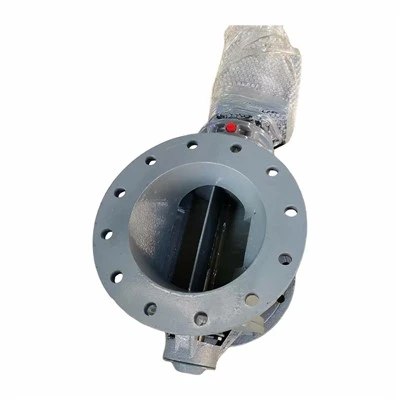
In conclusion, waste gas treatment equipment offers several advantages over traditional waste gas treatment methods. With advanced technologies such as advanced filtration, catalytic oxidation, and biotreatment, our equipment can provide more efficient, energy – saving, and environmentally friendly solutions. Although the initial investment may be higher, the long – term cost – effectiveness and compliance with environmental regulations make it a more attractive option.
Waste Gas Treatment Equipment If you are facing challenges in waste gas treatment and are looking for a reliable and efficient solution, I encourage you to reach out to us. We are committed to providing customized waste gas treatment equipment and professional technical support. Let’s work together to create a cleaner and healthier environment.
References
- Cheremisinoff, N. P. (Ed.). (2002). Air Pollution Control Technology Handbook. Butterworth – Heinemann.
- USEPA. (2018). Control Techniques Guidelines. US Environmental Protection Agency.
- Perry, R. H., & Green, D. W. (Eds.). (2007). Perry’s Chemical Engineers’ Handbook. McGraw – Hill.
Hebei Angran Environmental Protection Equipment Co., Ltd.
As one of the most professional waste gas treatment equipment manufacturers and suppliers in China, we’re featured by quality products and good service. Welcome to wholesale durable waste gas treatment equipment in stock here and get pricelist from our factory. We also accept customized orders.
Address: North of Jiaoqiao Village, Waliwang Town, Botou City, Cangzhou City, Hebei Province, China
E-mail: angranhb@163.com
WebSite: https://www.arhbsb.com/
