If you’ve ever worked in injection molding, you know how frustrating it is to get a perfectly molded part—free of sink marks, warping, and uneven thickness—especially when dealing with larger, hollow, or complex components. For years, our team here at [your injection molding supplier name, left blank per instructions] has helped customers solve exactly these kinds of headaches, and one of the most versatile tools we pull from our process toolkit is gas-assisted injection molding (GAIM). Today, I want to break down what GAIM is, how it works, why it’s a game-changer for so many industries, and why partnering with an experienced injection molding vendor like ours makes all the difference when you’re ready to use it. Injection Molding
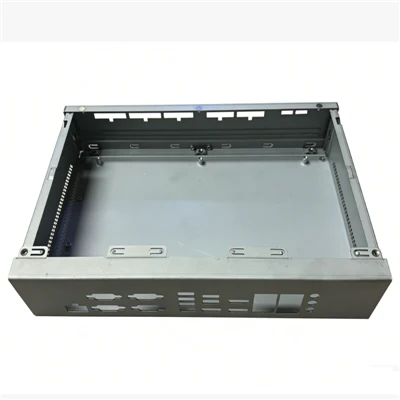
Let’s start with the basics: traditional injection molding works by injecting molten plastic resin into a steel mold cavity under high pressure, letting it cool, and then ejecting the finished part. But here’s the catch: when you’re making parts with thick sections—say, a chair leg, a appliance handle, a automotive bumper support, or even a hollow toy structure—those thick areas cool slower than the thin ones. As they cool and shrink, they pull inward, creating those unsightly sink marks you see on cheap plastic products, or worse, uneven warping that makes the part useless for its intended application. Thin parts, on the other hand, can be prone to weak spots or structural failure because there’s not enough material to hold their shape under stress.
GAIM solves both of these problems by adding a controlled dose of high-pressure, inert gas—usually nitrogen, since it’s cheap, safe, and easy to contain—midway through the injection cycle. Instead of filling the entire mold cavity with plastic right away, our process splits the injection into two key phases: first, we inject most of the molten resin into the mold, leaving a small portion of the cavity unfilled. Then, before that initial resin can fully solidify, we inject the nitrogen gas. The gas follows the path of least resistance through the molten plastic, carving out hollow channels along the thickest sections of the part, pushing excess molten resin into the remaining gaps of the mold cavity, and creating a uniform, fully cooled part without sink marks or warping. Once the part is fully cooled, we vent the gas out of the mold, and eject a perfectly formed, structurally sound component.
Wait, you might be thinking—isn’t adding gas going to make parts weaker? That’s a question we get all the time, and it’s totally valid. The key with GAIM is that we strategically place those hollow gas channels where they don’t compromise structural integrity. For example, if we’re making a garden tool handle that needs to flex slightly under pressure, we run the gas channel straight down the center of the handle, leaving a consistent wall thickness around the channel that’s thick enough to bear the load, while eliminating the thick, sink-prone core that would have been there with traditional molding. Unlike hollow parts made with secondary processes like blow molding, GAIM parts have smooth, sealed outer surfaces, no seams, and consistent wall thickness across the entire part. That makes them ideal for applications where surface finish matters, like consumer electronics housings, or parts that need to hold fluid, like plumbing fittings.
Now, let’s talk about the real-world benefits that matter to our customers, because at the end of the day, you care about cost, lead time, and part quality, not just fancy terminology. First, GAIM reduces material waste. Because we’re using less molten resin overall (we remove the excess that would have created thick, solid cores), customers typically save 10-30% on plastic material costs. For high-volume production runs, that adds up to tens of thousands of dollars in annual savings. Second, cycle times are shorter. The hollow gas channels allow the entire part to cool more evenly than solid thick sections, so we don’t have to wait hours for a big part to set up before ejecting it. That means faster lead times, more parts per week, and less overhead for your production schedule. Third, we can make larger, more complex parts that traditional molding can’t handle. A 4-foot long plastic lawn edger? A large automotive interior panel frame? These would be next to impossible to mold as solid parts without major warping, but GAIM lets us hollow them out while maintaining structural rigidity and a smooth surface.
But here’s the thing: GAIM isn’t a one-size-fits-all solution. It’s not the best choice for small, thin, precision parts like medical device components with tiny details, because the gas can distort those small features. And it requires careful design and process tuning—something that takes years of experience to get right. That’s where our team’s expertise comes in. Too many new injection molding suppliers treat GAIM like a add-on, using a generic machine and guessing at gas pressure and timing, which leads to inconsistent parts, clogged gas channels, or even mold damage. At our facility, we don’t just turn on a GAIM machine and go—we work with you during the design for manufacturing (DFM) phase, long before we even build your mold, to map out where the gas channels should go, how much resin to inject, and what pressure timing will work best for your specific part. For example, last year we had a customer who was struggling with a line of heavy-duty plastic pallet supports that were developing sink marks on the base and cracking under load. By switching to GAIM, we redesigned the supports to have hollow gas channels along the load-bearing edges, cut their material cost by 22%, reduced cycle time by 18%, and eliminated all part failures in their field testing. That’s the kind of result we deliver when we take the time to tailor GAIM to your project, not just apply it as an afterthought.
Another common misconception about GAIM is that it’s only for large industrial parts. We’ve used it for small, high-precision parts too—like the plastic frames for wearable fitness trackers, where we needed a thin wall but enough structural strength to hold a battery and circuit board. By running a thin, targeted gas channel along the inner edge of the frame, we avoided sink marks on the outer surface (which would have ruined the cosmetic finish) and kept the wall thickness consistent enough to meet the customer’s tight tolerance requirements. So whether you’re making a 10-gram consumer gadget part or a 100-kilogram industrial component, GAIM is a flexible option that works across tons of industries: automotive, consumer goods, medical, plumbing, electronics, and more.
Let’s also address a practical consideration that comes up for every customer: mold maintenance and longevity. A lot of people worry that adding high-pressure gas to the mold will wear it out faster, but when GAIM is designed and operated correctly, it actually reduces mold stress over time. Because the part cools more evenly, there’s less internal pressure pulling and pushing on the mold walls during cooling. We work with our mold makers to line the gas injection points with durable, corrosion-resistant materials that hold up to thousands of production cycles, so you get the same long mold life with GAIM as you would with traditional molding.
Now, I want to be transparent about when GAIM isn’t the right fit. As I mentioned earlier, if you’re making a small, precision part with very fine details or tight surface requirements, or if your part is designed to be fully solid (no hollow sections needed), traditional injection molding will be more cost-effective and reliable. Our team will always be upfront about whether GAIM is the best solution for your project, or if another process makes more sense. We hate wasting our customers’ time and money pushing a service that won’t deliver real value, so you can count on us to give you honest, actionable advice from day one.
If you’re working on a new product development project, or you’re looking to rework an existing part to cut costs, improve quality, or get it to market faster, GAIM is definitely worth exploring. The key is to partner with an injection molding supplier that has hands-on GAIM experience, not just a machine that they bought last quarter. At our company, we’ve been refining our GAIM processes for over a decade, working with customers across every industry to solve their part manufacturing challenges. We have in-house DFM engineers who specialize in GAIM part design, on-site mold testing capabilities, and quality control protocols that ensure every part meets your specifications.
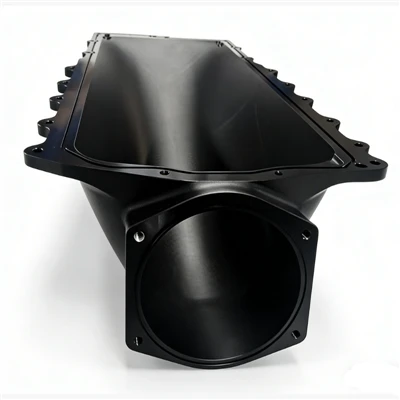
If you’re ready to learn more about how gas-assisted injection molding can benefit your next project, we’d love to connect. We offer free, no-obligation consultations where we can review your part design, walk you through how GAIM would work for your specific application, and give you a clear breakdown of projected cost savings, lead times, and quality outcomes. Whether you’re a startup developing your first prototype or a large manufacturer looking to scale high-volume production, we have the expertise and capacity to deliver results. Don’t let part quality issues or high production costs hold your project back—reach out today to start a conversation about how GAIM can take your parts from good to great.
Metal Printing References
Rosato, D. V., & Rosato, M. G. (2000). Injection molding handbook (3rd ed.). Kluwer Academic Publishers.
Malloy, R. A. (1994). Plastic part design for injection molding. Hanser Gardner Publications.
Azzeri, B., & Kamal, M. R. (1996). Gas-assisted injection molding: Technology and fundamentals. Polymer Engineering and Science, 36(19), 2481-2498.
Dongguan Xinchuan Precision Manufacturing Co., Ltd.
As one of the most professional injection molding manufacturers and suppliers in China, we offer a quick lead time for customized orders. Please feel free to buy precision injection molding made in China here from our factory. Contact us for quotation.
Address: #16 Gangjian Road, Changping Town, Dongguan City, Guangdong, China. 523000
E-mail: FreeQuote@xcprecision.com
WebSite: https://www.xcprecisions.com/
