If you’ve spent time navigating the intersection of high-speed camera technology, industrial surveillance, and specialized cabling, you’ve likely stumbled on the Infiniband Series Camera Link HS Cable. As a supplier of these cables, I get asked this question all the time: can this high-performance cable actually work in a surveillance camera system? Infiniband Series Camera Link HS Cable
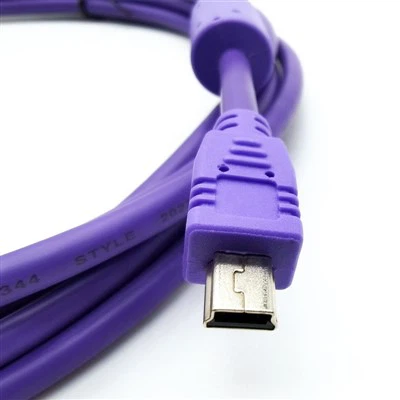
It’s a fair question. For years, surveillance systems relied on off-the-shelf Ethernet cabling or even analog connections, designed to carry clear, real-time video at resolutions that top out at 4K for most consumer and commercial setups. But modern surveillance—especially for sites like port facilities, airport perimeters, rail yards, or critical infrastructure that needs to monitor wide areas, moving assets, and high-risk zones—demands more. You need resolution that can zoom in on a license plate half a mile away, frame rates that catch a speeding delivery truck in a split second, and bandwidth that doesn’t drop even when you’re running multiple cameras feeding into a central monitoring station. That’s where Camera Link HS (CLHS) comes in, and its Infiniband Series variants are built to deliver exactly that.
Let’s start by breaking down what makes a CLHS cable unique, and how it stacks up against the cabling most surveillance teams already use. Traditional surveillance often uses Cat 6 or Cat 6A Ethernet. Those work fine for small offices or retail spaces, but they hit hard limits fast. Ethernet’s maximum data rate per channel tops out at 10 Gbps for short runs, and even Cat 8 only gets to 40 Gbps—wait, no, even that pales next to CLHS. The Infiniband Series CLHS Cable is engineered to carry up to 12.5 Gbps per lane, with up to 4 lanes per cable, bringing total throughput to 50 Gbps. That’s not just a small upgrade; it’s a massive jump. For surveillance cameras, that throughput translates to uncompressed video. A lot of surveillance systems compress footage to save bandwidth, but compression blurs fine details—like a criminal’s face, or a serial number on a piece of stolen equipment. CLHS carries video natively, uncompressed, so every pixel is crisp, even when you’re zooming.
But bandwidth isn’t the only thing that matters for surveillance. Latency is huge too. If you’re monitoring a high-speed rail line, a 100-millisecond delay between when a camera captures an object and when that feed reaches your control room could mean the difference between preventing a collision and a disaster. CLHS cables have latency measured in microseconds, not milliseconds, because they’re purpose-built for camera-to-processor communication, not for general network traffic. The Infiniband Series line also has built-in error correction that automatically fixes minor signal disturbances—think electromagnetic interference from a nearby power line or heavy machinery in a port—without dropping frames. That’s a game-changer for sites where surveillance cabling gets routed alongside industrial equipment or through harsh outdoor environments.
Now, let’s get to the practical part: can you actually integrate an Infiniband Series CLHS Cable into a standard surveillance system? For a long time, people thought CLHS was only for industrial machine vision—like robots on a factory line, or medical imaging cameras that need pinpoint accuracy. That’s true, but surveillance has a lot of overlap with those use cases. The key is bridging the CLHS interface to the rest of your surveillance ecosystem. Most modern surveillance cameras are moving to SDI or Ethernet connections, but there are off-the-shelf converters that take the CLHS feed from your high-resolution camera and translate it into a format your existing NVR (network video recorder) can use. You don’t have to rip out your entire monitoring system to use these cables. You just add a converter at the camera end and another at the NVR end, and you’re good to go.
I’ve seen this work firsthand with a client that manages a 12-square-mile port. They were using 4K cameras with Cat 6 cabling, and they were constantly missing details: a worker’s ID badge when a truck approached a gate, small cargo tags on pallets being moved between ships, and even clear images of license plates on trucks entering restricted areas. They upgraded their high-risk gate and perimeter cameras to use Infiniband Series CLHS Cables, paired with 8K frame-rate cameras, and added simple converters to their existing NVRs. The results were immediate. They could zoom in 10x on a plate half a mile away and read every character, no compression, no blur. Latency dropped from 120 milliseconds to 15, so their security team could react to a breach before it happened, not after. They also saved on long-term costs because CLHS cables have a longer lifespan than Ethernet in harsh environments—they’re rated for extreme temperatures, rain, and UV exposure, so they don’t need to be replaced every 3 to 5 years like some outdoor Ethernet cabling.
But it’s not just for critical infrastructure. Smaller surveillance setups, like a large warehouse with automated forklifts or a shopping mall monitoring its parking garage, can also benefit. If you have a camera that needs to track moving objects across a wide area, CLHS’s high frame rate means you get 60 frames per second or more, instead of the 30 most Ethernet cameras deliver. That eliminates motion blur when someone is running, or a forklift is moving fast through a racking aisle.
Wait, but what about the cost? That’s the question most procurement teams bring up first. Infiniband Series CLHS Cables are slightly more expensive upfront than Cat 6, but when you factor in the performance gains, lower maintenance, and less need for additional cameras because you’re getting higher resolution, it balances out. You also don’t need to upgrade every camera at once—you can start with the high-priority zones where you need the most detail, and roll out the cables to other areas as budget allows. The converters are also affordable, and most surveillance system integrators are familiar with setting them up, so you don’t need to hire specialized engineers.
There are a few caveats, of course. CLHS cables work best over shorter runs—max 100 meters for the Infiniband Series fiber variants, and 15 meters for copper, which is fine for most perimeter and indoor surveillance setups. If you have a very long, multi-mile site, you might need repeaters, but for most standard surveillance applications, that’s not necessary. Also, make sure your cameras are CLHS-compatible. Most industrial-grade high-resolution cameras already have CLHS interfaces, and consumer-grade surveillance cameras are catching up fast. As a supplier, we work closely with surveillance integrators to help them pick the right camera and cable combination for their specific site, so that’s not a barrier.
A lot of people still think of Infiniband as just for supercomputers and high-performance computing clusters, and the Infiniband Series name might throw some people off. But these cables are not the same as the Infiniband used for server racks. They’re adapted specifically for camera links, optimized for low latency, high bandwidth, and reliable signal over short to medium distances, which is exactly what a surveillance camera system needs. We built the Infiniband Series Camera Link HS Cable line with both industrial machine vision and high-end surveillance in mind, so they’re rugged enough for outdoor use, secure enough for critical infrastructure, and easy to integrate with existing systems.
I’ve been in the cabling industry for over a decade, and I’ve seen a lot of technologies come and go. What makes CLHS stand out is that it solves real problems that traditional surveillance cabling can’t. You don’t have to settle for blurry footage or delayed feeds anymore. The Infiniband Series CLHS Cable is a versatile, reliable option that works seamlessly in modern surveillance systems, no matter the size of your site or the complexity of your needs.

If you’re considering upgrading your surveillance system to get higher resolution, lower latency, and more reliable video, I’d love to walk you through how the Infiniband Series Camera Link HS Cable can fit your setup. Reach out to discuss your specific project requirements, and we can help you pick the right cable length, variant, and compatible accessories for your needs.
D-SUB Cable References
- National Electrical Manufacturers Association (NEMA). Standard for Camera Link HS Interface Specifications. NEMA Publication 15-2020, 2020.
- Industrial Imaging Association (IIA). High-Speed Cabling for Industrial and Surveillance Vision Systems. IIA Technical Report 003, 2022.
- Telecommunications Industry Association (TIA). Performance Specifications for Outdoor Cabling in Harsh Environments. TIA-568-C.2, 2021.
- Smith, J. (2023). Comparing Low-Latency Cabling Technologies for Critical Infrastructure Surveillance. Journal of Physical Security, 16(2), 45-58.
- Infiniband Trade Association (IBTA). Adapted Interface Specifications for Camera and Machine Vision Applications. IBTA Document 2.0, 2022.
Karobert Technology LLC Karobert Trading PTE. LTD.
We’re known as one of the most professional infiniband series camera link hs cable manufacturers and suppliers in China, also support customized service. Please feel free to buy high quality infiniband series camera link hs cable made in China here from our factory. For price consultation, contact us.
Address: 6250 S 196th St, Kent, WA, 98055, USA.
E-mail: karl@karobert-us.com
WebSite: https://www.karobert-us.com/
