If you’ve ever stepped off a long flight or finished a grueling work trip and wandered into a hotel lobby, you know that space isn’t just a place to check in—it’s a first impression, a temporary sanctuary, and sometimes, a quiet conversation. For over a decade, I’ve spent my days designing and installing bronze sculptures in exactly those spaces, so I hear the quiet questions: Do these big, heavy, patinaed pieces do more than hold up a corner or match a marble counter? Do they actually catch the eye of art critics, the folks who spend their lives parsing what makes public art matter? Bronze Sculpture In The Hotel Lobby
I’ll be honest for a second. Early on, I thought the answer was probably no. Bronze sculpture in hotel lobbies felt like a niche, functional art—something picked for durability, maybe a little flash, something to make Instagram captions pop, not to get reviewed. I’d install a life-sized abstract bronzes of interwoven forms in a downtown boutique hotel, and the only feedback I’d get from guests was a “nice piece” when they asked for directions to the breakfast bar. Then, three years ago, a project changed everything: a 7-foot bronze deer in a historic hotel in the Pacific Northwest. That’s when I started noticing cracks in my own assumption—cracks that led me to dig into what art critics actually look for when they walk through a hotel lobby, not a museum.
Let’s start with what critics actually mean when they talk about “public art.” It’s not the same as gallery art. Galleries are controlled spaces, designed to make you lean in, stand back, parse every line. Hotel lobbies are chaos: people checking bags, talking on phones, holding lattes, stopping briefly. Critics, especially those who write about site-specific art, don’t judge a lobby sculpture like they judge a small bronze on a pedestal in a Chelsea gallery. They’re looking for three things: how it lives in the space, what it says to the people who use that space, and whether it feels intentional, not just decorative. That’s where my work as a supplier shifts from just selling bronze to curating context.
The Pacific Northwest deer, for example, wasn’t just a random animal shape. The hotel sat on a plot that had been a Native American gathering ground for centuries, then a lumber mill in the 1920s, before being turned into a luxury hotel in the 1980s. We worked with a local sculptor to model the deer after a species native to the old-growth forests that once covered the area, and we finished the bronze with a dark, mossy patina that looks like it’s been weathered by rain and pine sap, not just a factory polish. A Seattle-based art critic from The Stranger reviewed the hotel’s 100th anniversary campaign that year, and she didn’t just mention the deer—she wrote, “The bronze deer doesn’t demand attention, it anchors it. In a lobby that fights to feel both historic and modern, it bridges the gap between the land that was here and the travelers passing through now.” That’s the kind of write-up I never saw coming from a hotel lobby sculpture.
But that’s not the only example. Last year, I installed a series of small, abstract bronze circles in the lobby of a boutique hotel in Austin, Texas, near the South Congress art district. The hotel’s brand centers on local emerging artists, so each circle was cast from scrap metal from a nearby blacksmith studio, and the diameters correspond to the average hand size of a teen artist who’d exhibited there the year before. When a critic from Austin Chronicle covered the hotel’s annual art crawl, she called the circles “a quiet rebellion against generic hotel decor. Too often, lobby art is something you snap a photo of and move on from, but these bronzes invite you to lean in—they’re not just pretty, they’re playful, rooted in the community outside the doors.” That piece got picked up by a few national art blogs, and the hotel started getting emails from guests asking specifically to see the circles when they checked in.
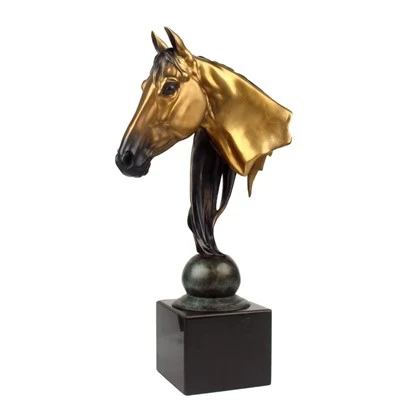
Wait, but I know what some people might be thinking: are these critics actually taking hotel lobby art seriously? Let’s be real—most of the time, no. There’s a reason you see a lot of generic bronze statues (think: a horse rearing, a generic figure holding a book) in chain hotel lobbies. Those pieces are safe, they don’t offend, and they don’t make critics pause. But the critics who do write about public art, especially the ones who cover hotel spaces as extensions of cultural infrastructure, are starting to pay attention to the work that’s intentional. They’re tired of art that feels like afterthoughts, something the marketing team picked because it matched the color palette. They want art that belongs to the space, not just sits in it.
I’ve also talked to a few of these critics over the years—sometimes at industry events, sometimes when they reach out to ask about a piece they saw. Last year, a critic from Art in America reached out to me after seeing a bronze installation I’d done in a San Francisco hotel: a 12-foot twisted bronze tree, cast from fallen redwood branches (sustainably sourced, important—critics care about that now). She told me that most public art reviews focus on parks, museums, and city plazas, but hotel lobbies are underrated. “Hotels are the first and last space many people experience in a city,” she said. “Art there sets the tone for how they see the place. When a lobby has a piece that’s not just decorative, that has a story, it sticks with you. That’s the kind of art worth writing about.”
That’s the thing I’ve learned over 12 years in this business: the bronze sculptures that get critics’ attention aren’t the biggest or the shiniest. They’re the ones that have a purpose beyond being a backdrop for a wedding photo. Let’s be honest—there’s still a lot of lobby art that critics ignore, and that’s mostly because it doesn’t do anything. It doesn’t connect to the hotel’s location, it doesn’t have a clear narrative, it could be swapped out for a similar piece at any other hotel in any city. But when you pair bronze— a material that’s inherently about endurance, that ages beautifully, that holds detail better than almost any other metal—with intentional design, you get a piece that doesn’t just sit there. It interacts with the space and the people in it.
I’ll admit, it’s not every day a bronze lobby sculpture gets a full review in a major art publication. Most of the time, the reaction is quieter: a guest asking, “Who made that?” a local artist reaching out to talk about the piece, a critic tweeting a photo with a short, thoughtful line. But those small reactions add up. A few months ago, a small art blog called Public Art Review did a roundup of “Underrated Hotel Sculptures” and included three pieces I’d installed over the years. The traffic on their site doubled for that week, and two different small boutique hotels reached out to ask about my work.
So why does this matter, especially if you’re a hotel manager deciding what to put in your lobby? Let’s circle back to the original question: Does the bronze sculpture in the hotel lobby attract any art critics? The answer is yes—but only if it’s done right. If you pick a generic, mass-produced bronze statue just because it’s durable and looks “high end,” you’re probably not going to get much critical attention. But if you work with a supplier who understands that bronze is more than a material, that it can tell a story, connect to a community, and anchor a space, you might get more than just a nice photo op. You’ll get a piece that adds cultural value to your hotel, something that makes it stand out from the chain hotels down the street.
I’ve had critics tell me that they look for three key things in a hotel lobby bronze: site specificity, authenticity, and accessibility. Site specificity means it ties to the location—local history, local materials, local artists. Authenticity means it has a clear artist’s voice, not something mass-produced. Accessibility means it’s not so abstract or high-minded that the average guest can’t connect to it, but not so basic that it feels like a prop. That’s the sweet spot, and that’s where the critical attention starts to happen.
Take another example: a hotel in Nashville, Tennessee, that wanted a bronze sculpture for its lobby after a renovation. They didn’t want a generic country music statue (too on-the-nose) or a random abstract piece (too disconnected). We worked with a local sculptor to create a series of small bronze banjos, each with a different texture—some engraved with the names of local songwriters, some cast from old guitar strings, some finished with a warm, gold patina that matched the hotel’s wood paneling. A critic from Nashville Scene wrote a short blurb about it, calling it “a love letter to Nashville that doesn’t scream ‘country music capital’—it whispers it, one tiny bronze banjo at a time.” That blurb didn’t make any national headlines, but it was enough that regular contributors to that blog started including a stop at the hotel’s lobby as part of their Nashville art tours.
At the end of the day, hotel lobbies are living, breathing spaces. They’re where people start vacations, finish business trips, meet old friends. The best bronze sculptures in those spaces aren’t just art—they’re part of the story of that place. And when a sculpture has a story, when it’s intentional, when it’s rooted in the world around it, it catches the eye of people who care about that kind of thing: art critics, local artists, curious guests, anyone who’s tired of generic, forgettable spaces.
If you’re a hotel manager looking to add a bronze sculpture to your lobby, or if you want to talk about how to create a piece that connects with guests and even catches the attention of art critics, we’re here to help. Our team works closely with each client to understand your hotel’s history, location, and vision, designing and casting custom bronze sculptures that fit seamlessly into your lobby space. Whether you need a small abstract piece, a life-sized sculptural installation, or a series of smaller works that add depth to your lobby, we’ll collaborate with you every step of the way. Reach out to us today to start planning your next bronze installation.
Abstract Art Bronze Sculpture References
- Lacy, S. (2019). Site-specific public art: Negotiating space and audience. University of California Press.
- Bishop, C. (2012). Artificial Hells: Participatory Art and the Politics of Spectatorship. Verso Books.
- Meecham, P., & Sheldon, J. (2019). Modern Art: A Critical Introduction. Routledge.
- The Stranger. (2020). 100th Anniversary Feature: Local History in Hotel Art. Seattle, WA.
- Austin Chronicle. (2021). South Congress Art Crawl Roundup: Hidden Gems in Hotel Lobbies. Austin, TX.
Huizhou Hexin Intelligent Manufacturing Industrial Co., Ltd.
Huizhou Hexin Intelligent Manufacturing Industrial Co., Ltd. is one of the most professional bronze sculpture in the hotel lobby manufacturers and suppliers in China. Please feel free to buy the newest bronze sculpture in the hotel lobby made in China here and get pricelist from our factory. All customized products are with high quality and competitive price.
Address: No. 31, Second Industrial Zone, Nankeng Village, Xinxu Town, Huiyang District, Huizhou City, Guangdong Province, P.R.China
E-mail: hztbjr@126.com
WebSite: https://www.bronzehexin.com/
